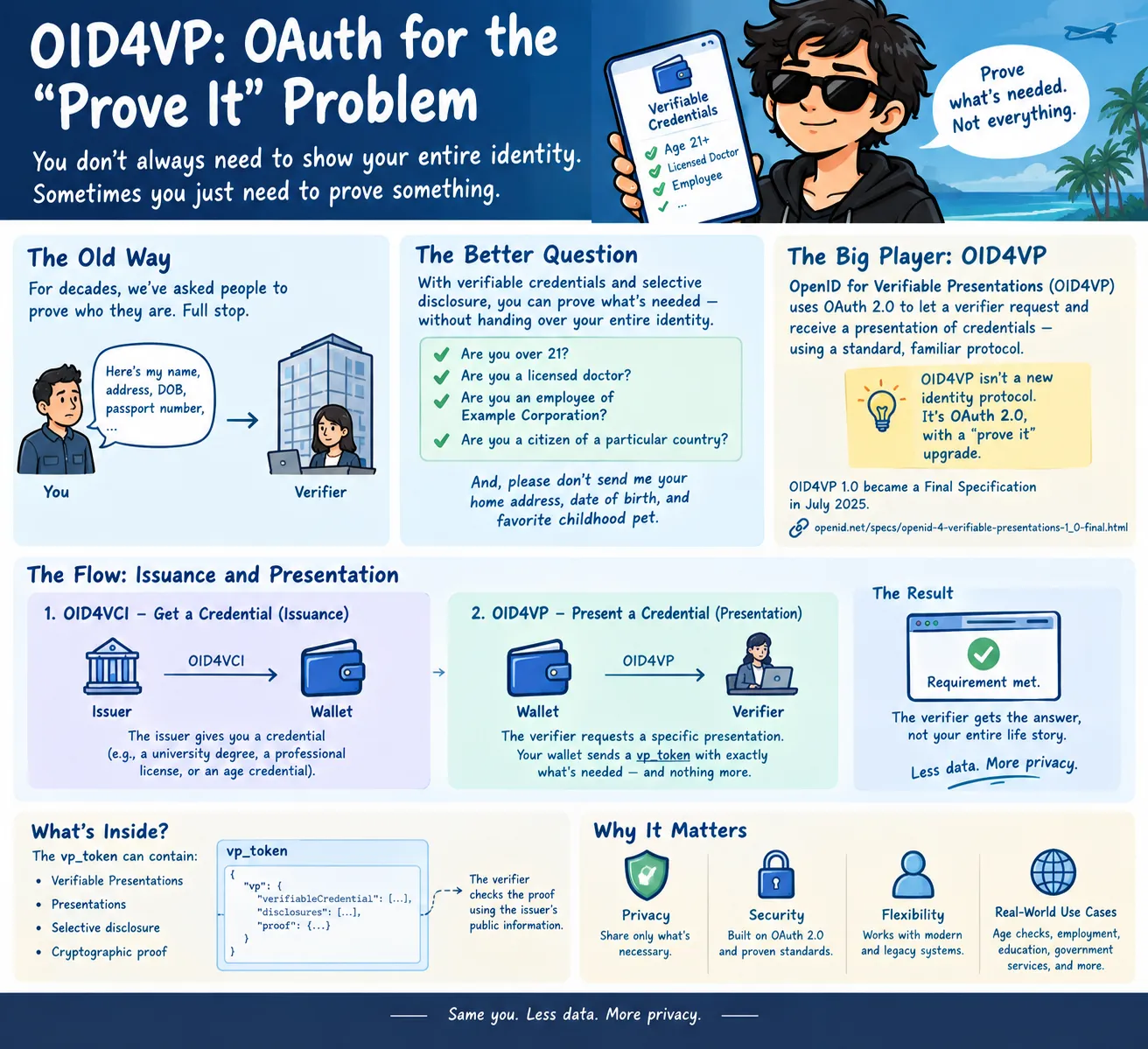
OID4VP: OAuth2 for the “Prove It” Problem
We have spent decades building systems that ask people to prove who they are.
Read article: OID4VP: OAuth2 for the “Prove It” Problem53 articles tagged OAuth2.
We have spent decades building systems that ask people to prove who they are.
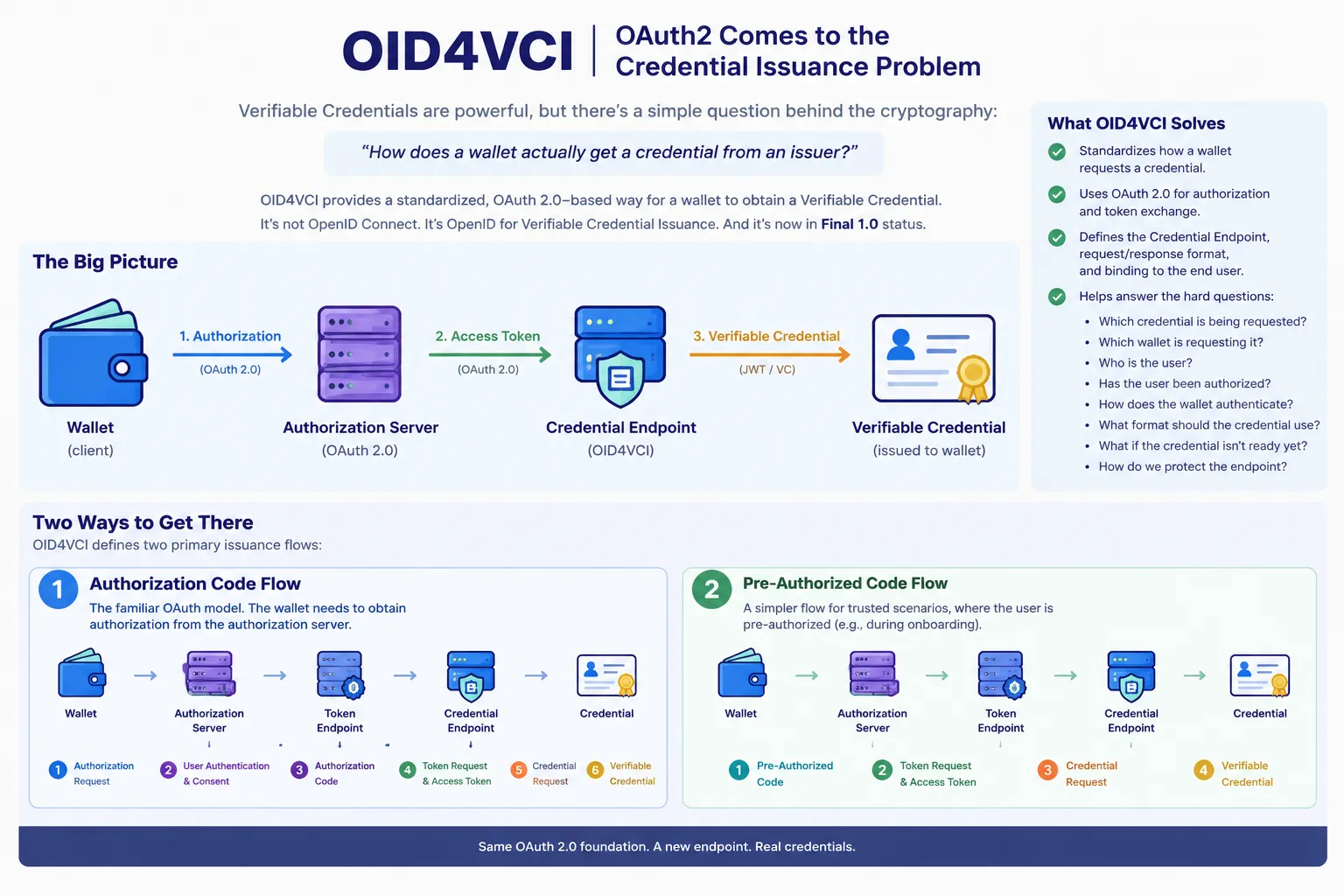
Read article: OID4VP: OAuth2 for the “Prove It” ProblemFor all the excitement around Verifiable Credentials, there is a rather mundane problem hiding underneath the cryptography:
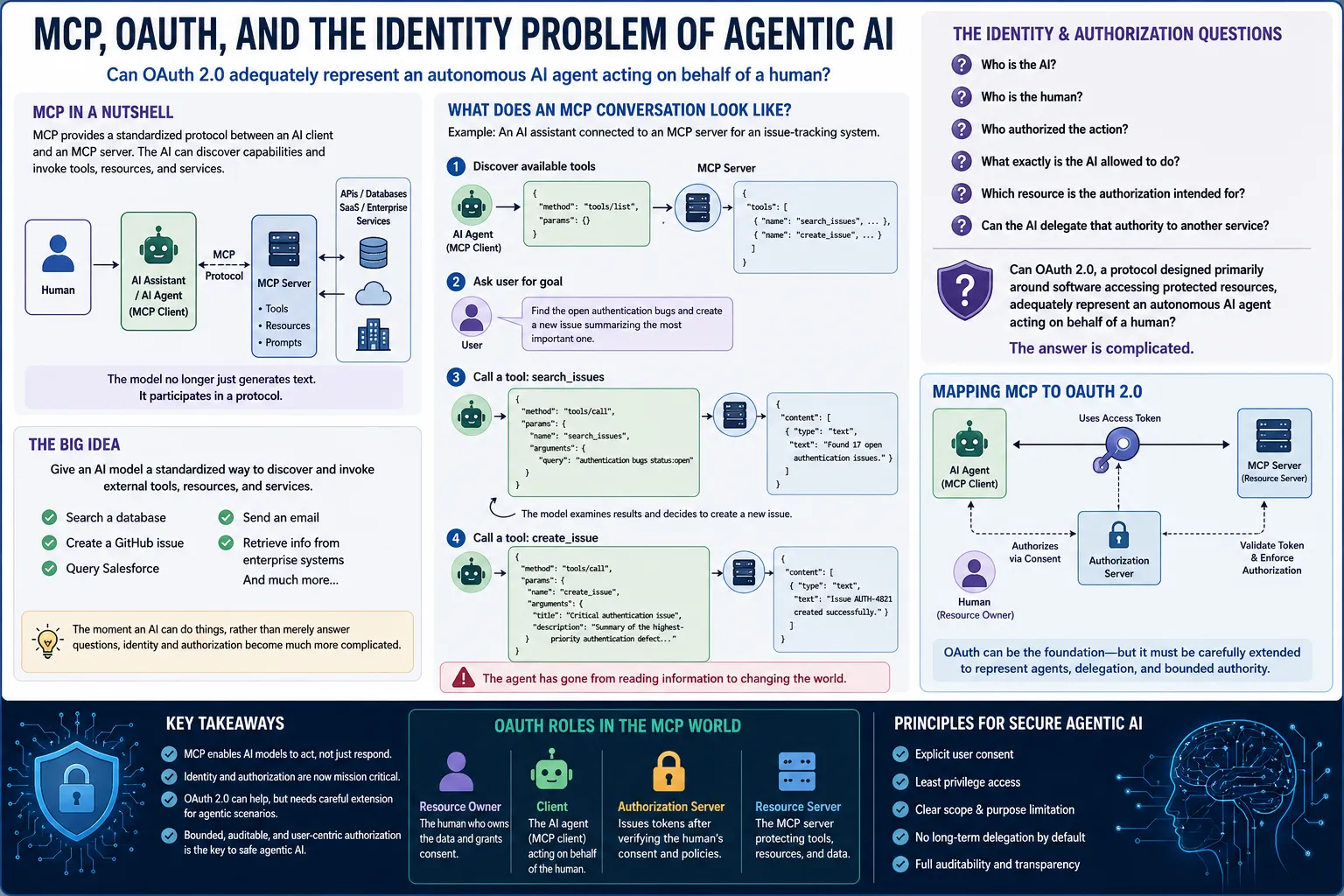
Read article: OID4VCI: OAuth2 Comes to the Credential Issuance ProblemThe Model Context Protocol, or MCP, has quickly become one of the most important pieces of infrastructure in the emerging Agentic AI ecosystem.
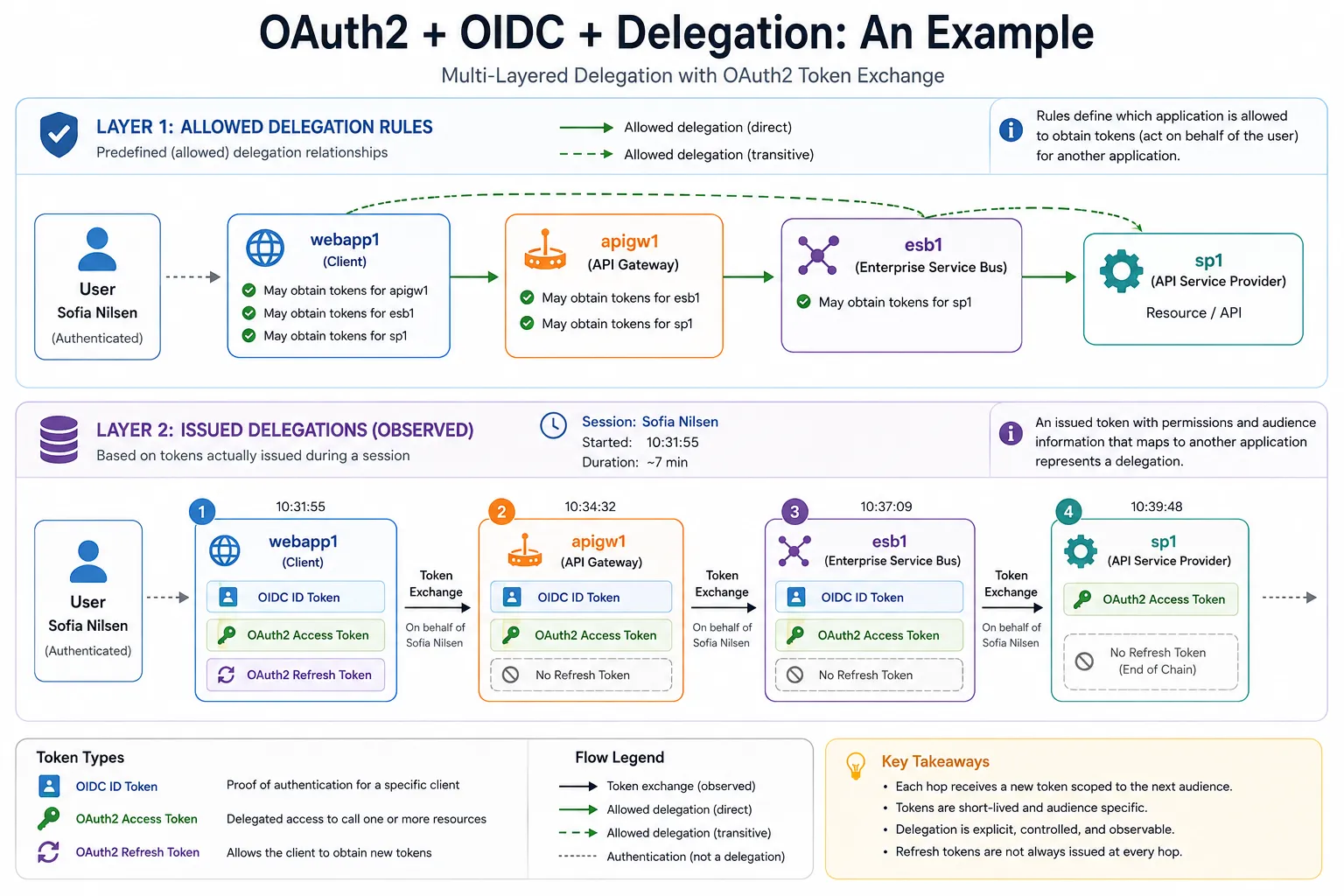
Read article: Model Context Protocol: MCP, OAuth2, and the Identity Problem of Agentic AIDelegation is a concept that has always fascinated me in the identity space. It enables secure identity propagation with tokens (assertions, tickets, etc) being properly scoped. As functionality in my Identity Protocol Debugger has continued to evolve, I wanted to add a feature that would make it…
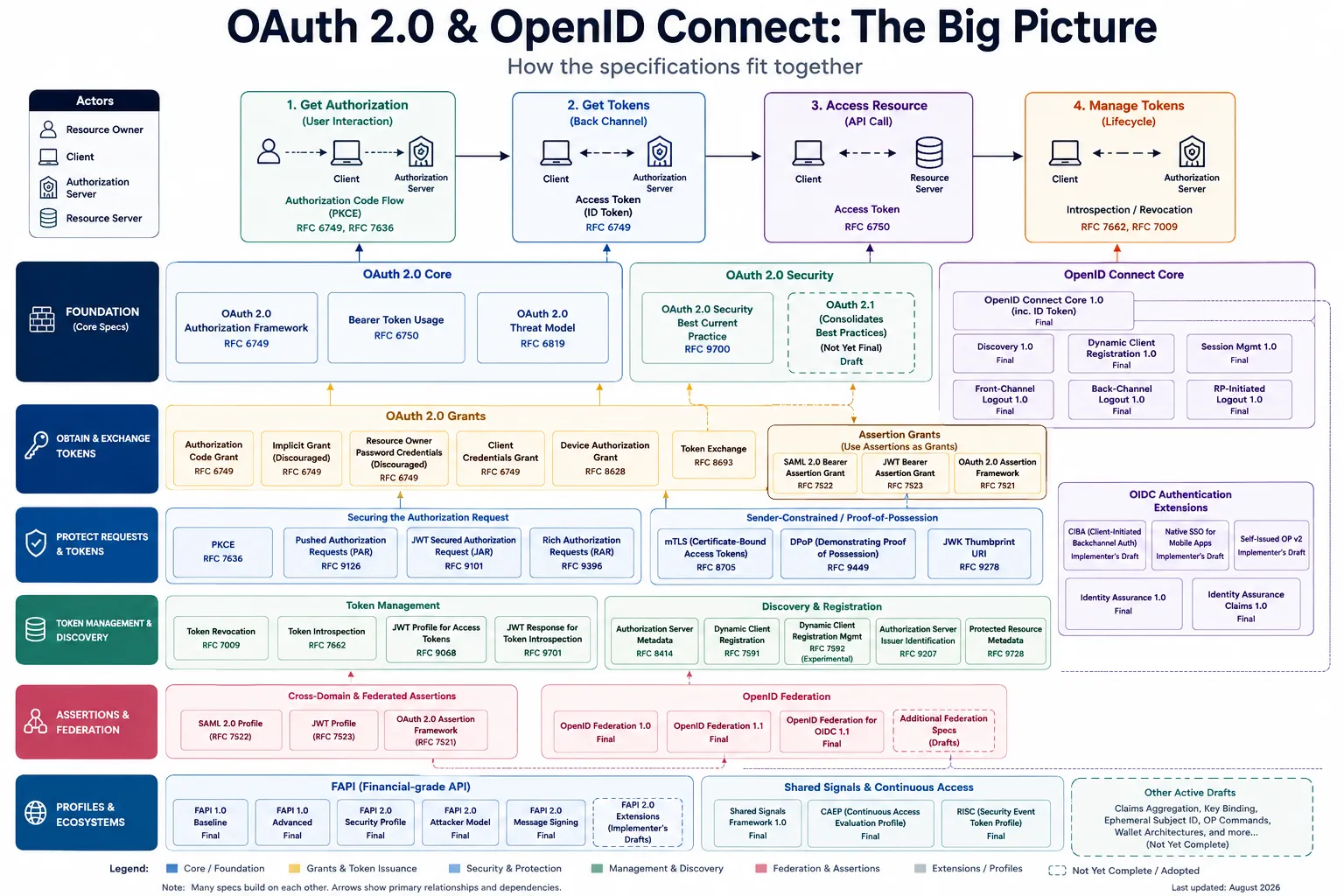
Read article: OAuth2 + OIDC + Delegation: An exampleCurrent as of August, 2026.
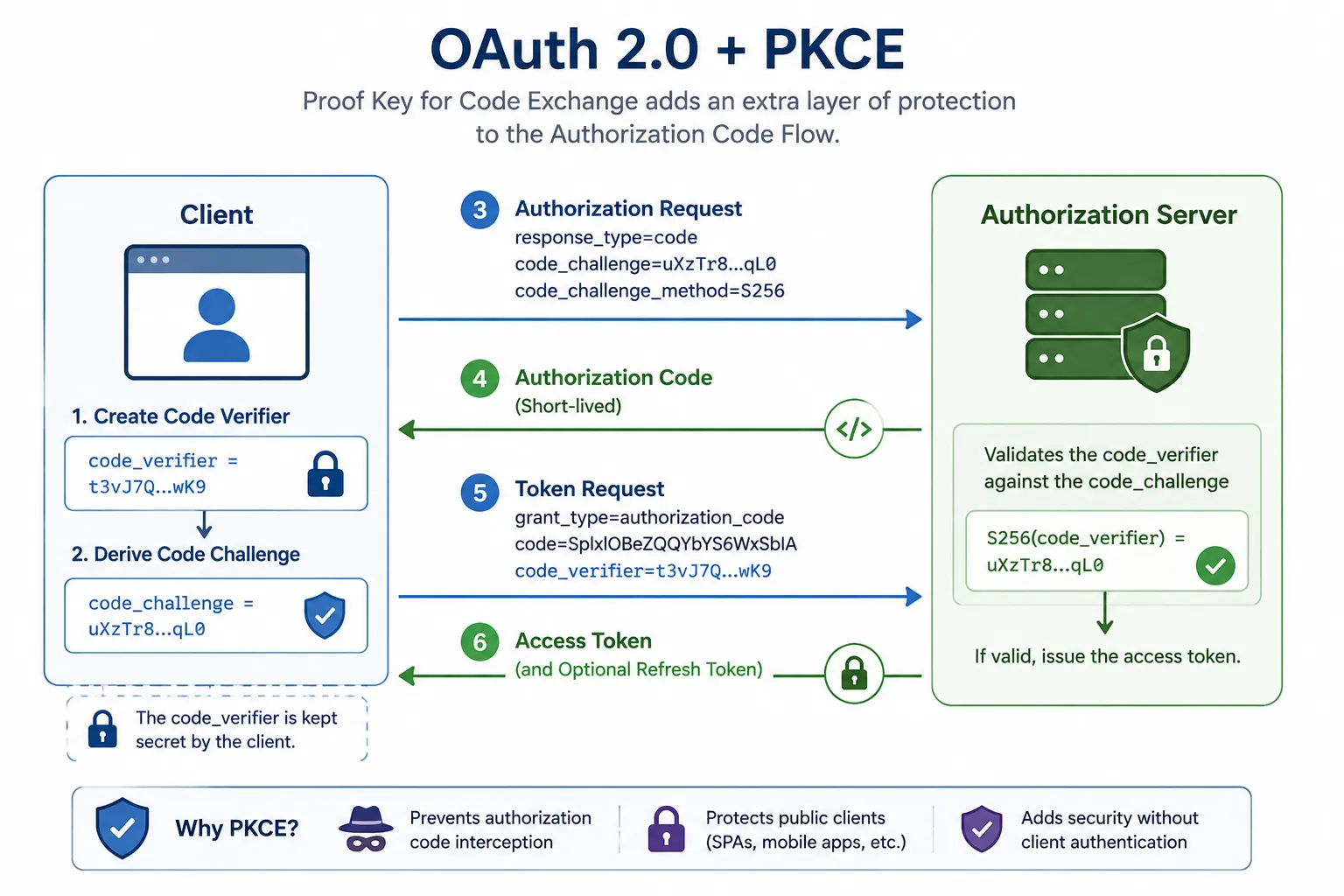
Read article: OAuth2 + OIDC: All of the Specs (2026 Edition)One of the biggest misconceptions about OAuth2 is that it is a single protocol. In reality, OAuth2 has evolved considerably over the years as new attack vectors have been discovered and new security mechanisms introduced. One of the most significant of these improvements is Proof Key for Code…
Read article: PKCE: Proof Key for Code ExchangeOAuth2 has long suffered from a fundamental weakness: bearer tokens.
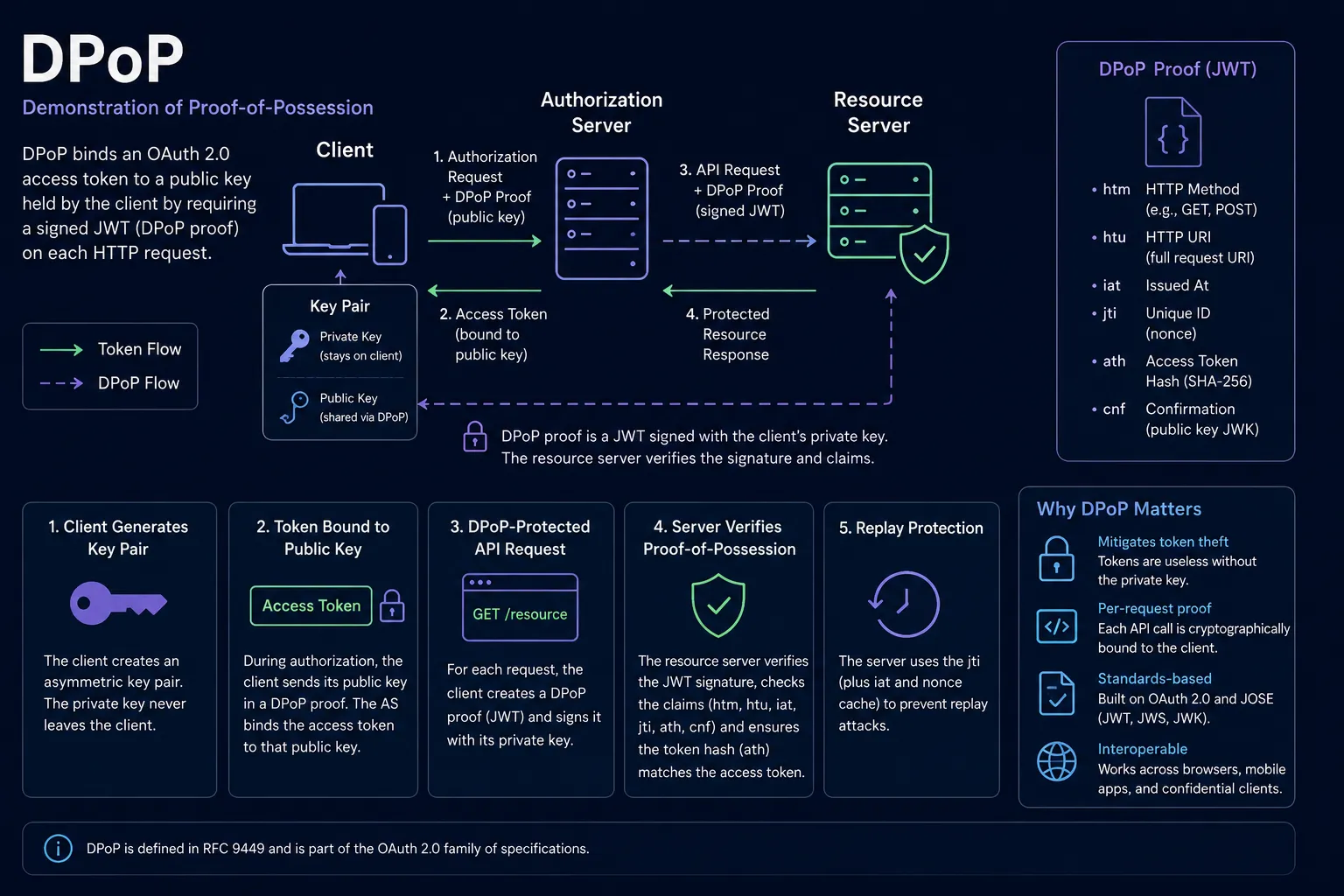
Read article: DPoP: The Missing Security Layer in OAuth2 and OID4VCIOAuth2 has always had a fundamental problem: a bearer token is a bearer token. After all, it’s a bearer token.
Read article: DPoP Support Comes to the Identity Protocol DebuggerI’ve touched on the topic of using JWT as an Access Token on several previous blog posts:
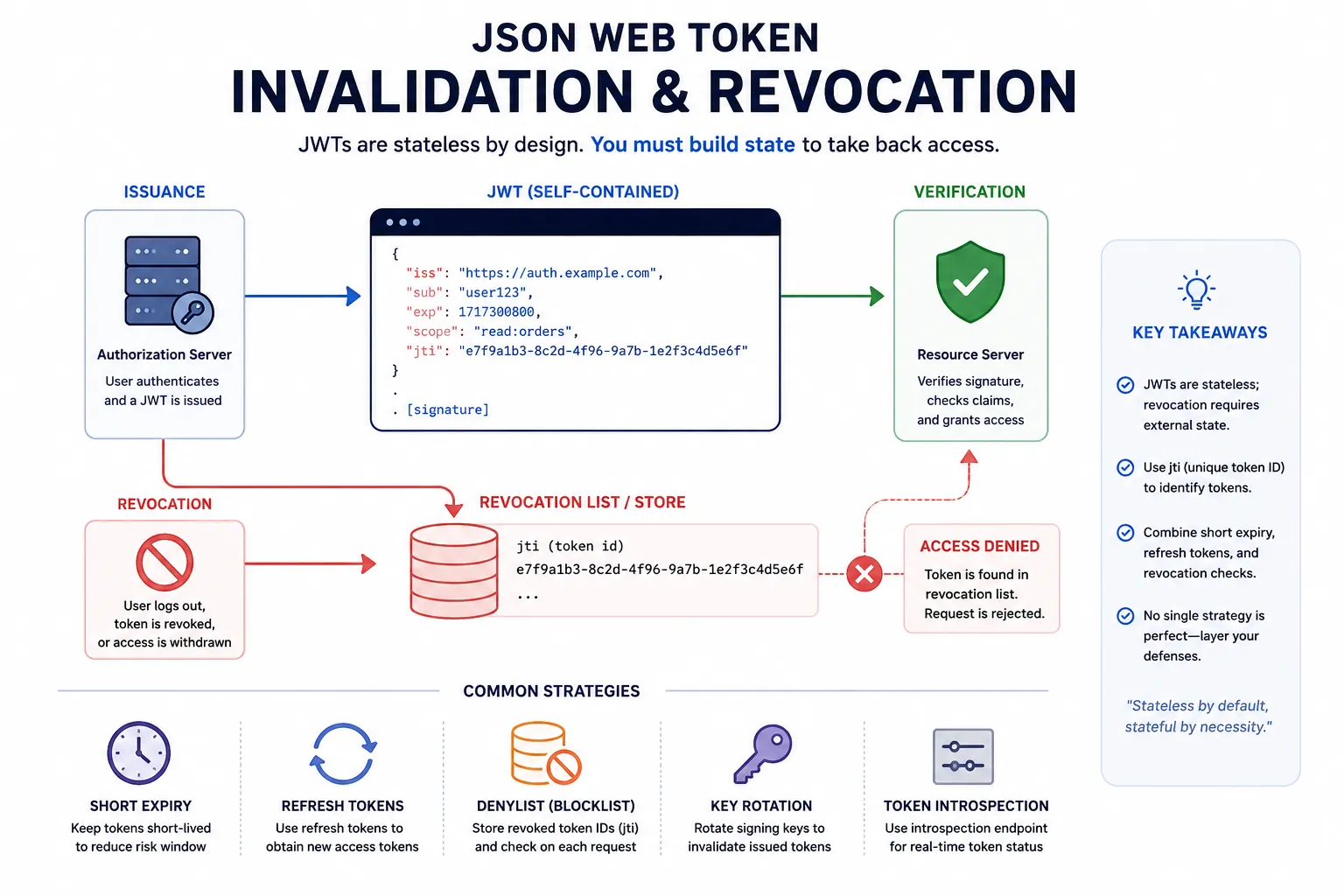
Read article: JWT as Oauth2 Access Tokens & Refresh Tokens— Invalidation: The Awkward RealityThe Internet Engineering Task Force (IETF) has 10K+ published Request For Comments (RFCs) documents. The industry hears about RFCs all the time. But, as the name implies (“request for comments”) that isn’t the final step in the process. A very small number of RFCs are promoted to Internet…
Read article: How Many IETF RFCs Actually Become Standards?