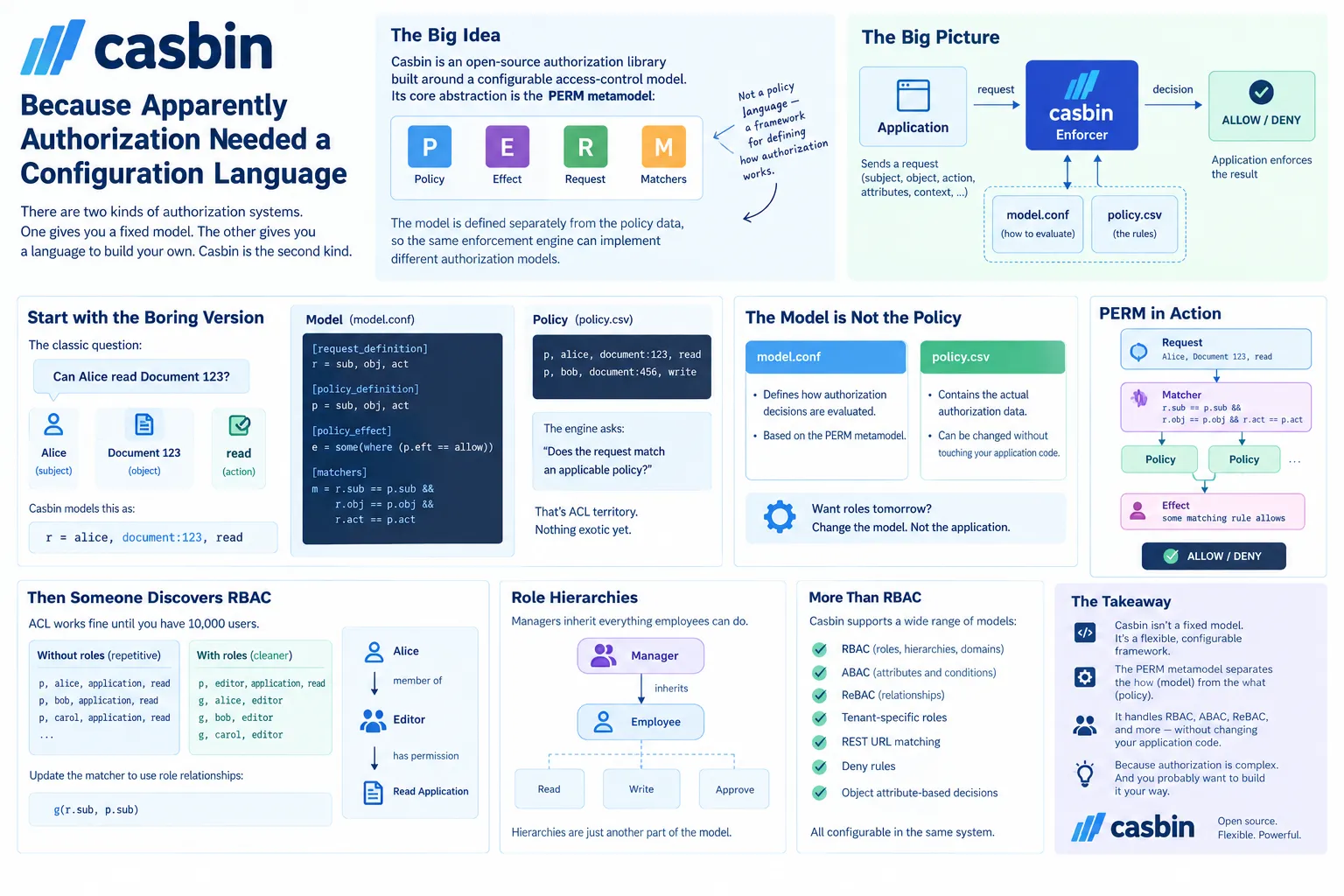
Casbin — Because Authorization Needed a Configuration Language
There are two kinds of authorization systems.
Read article: Casbin — Because Authorization Needed a Configuration Language44 articles tagged Identity & Access Management.
There are two kinds of authorization systems.
Read article: Casbin — Because Authorization Needed a Configuration LanguageThere is a point in the evolution of an authorization system where the architecture diagram starts looking like a database.
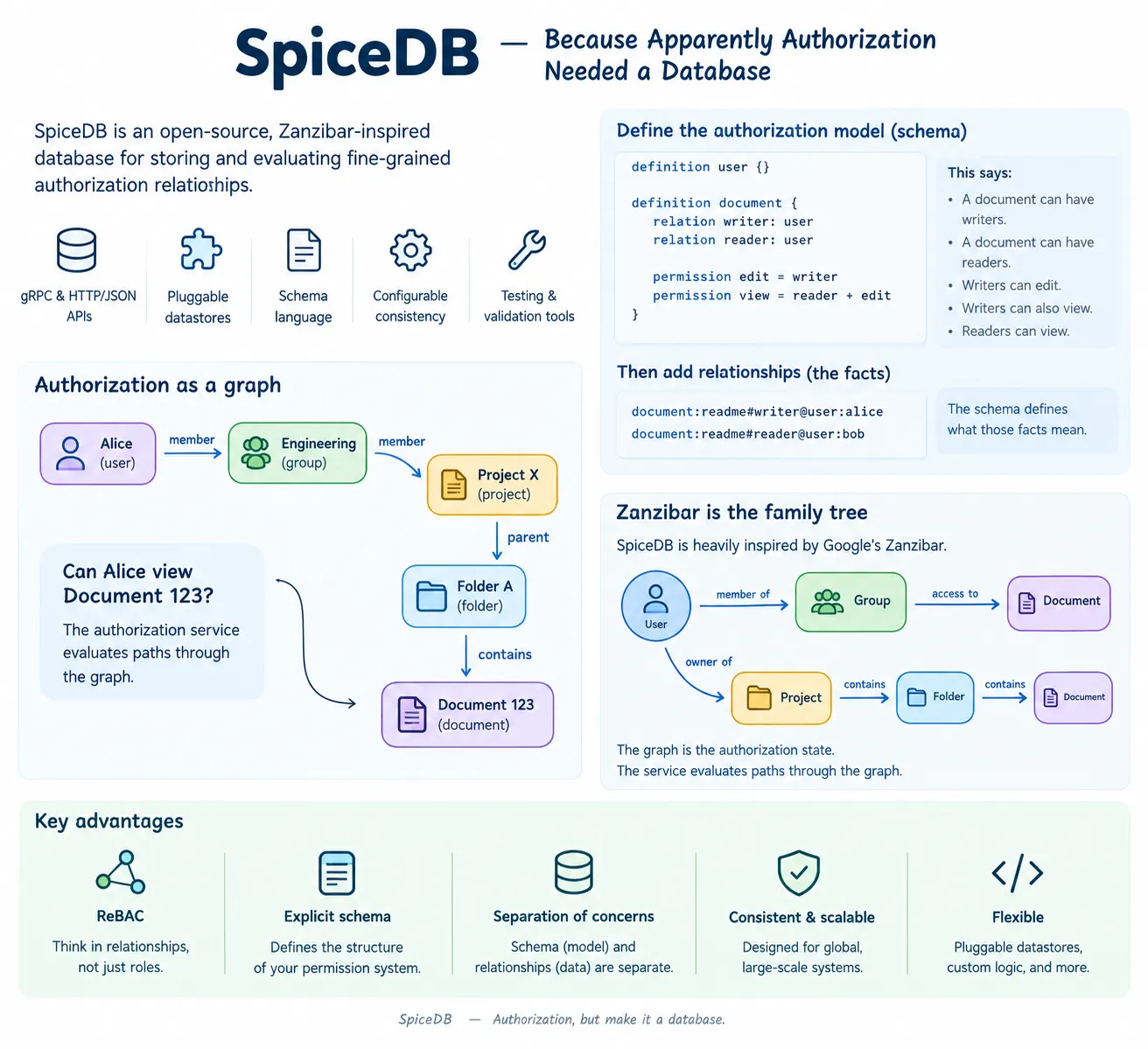
Read article: SpiceDB — Because Apparently Authorization Needed a DatabaseThere is a particular moment in every authorization system where someone says: “Okay, but what if the user belongs to a group, the group has access to a project, the project contains a folder, the folder contains the document, and the user is only allowed to edit documents they own?”
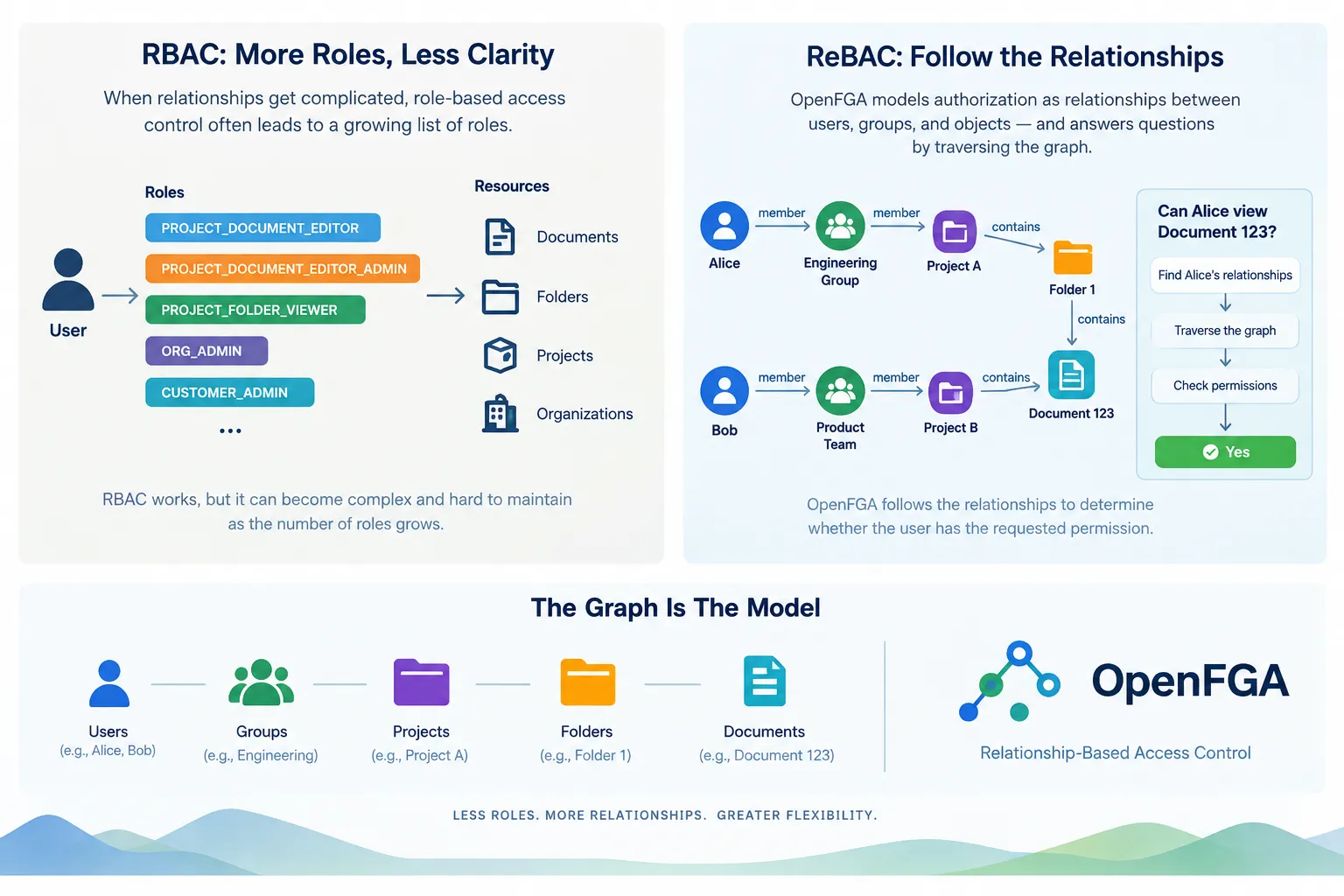
Read article: OpenFGA — Because Sometimes Authorization Is Just a GraphIn the last couple of articles, we’ve been wandering through the increasingly complicated world of authorization.
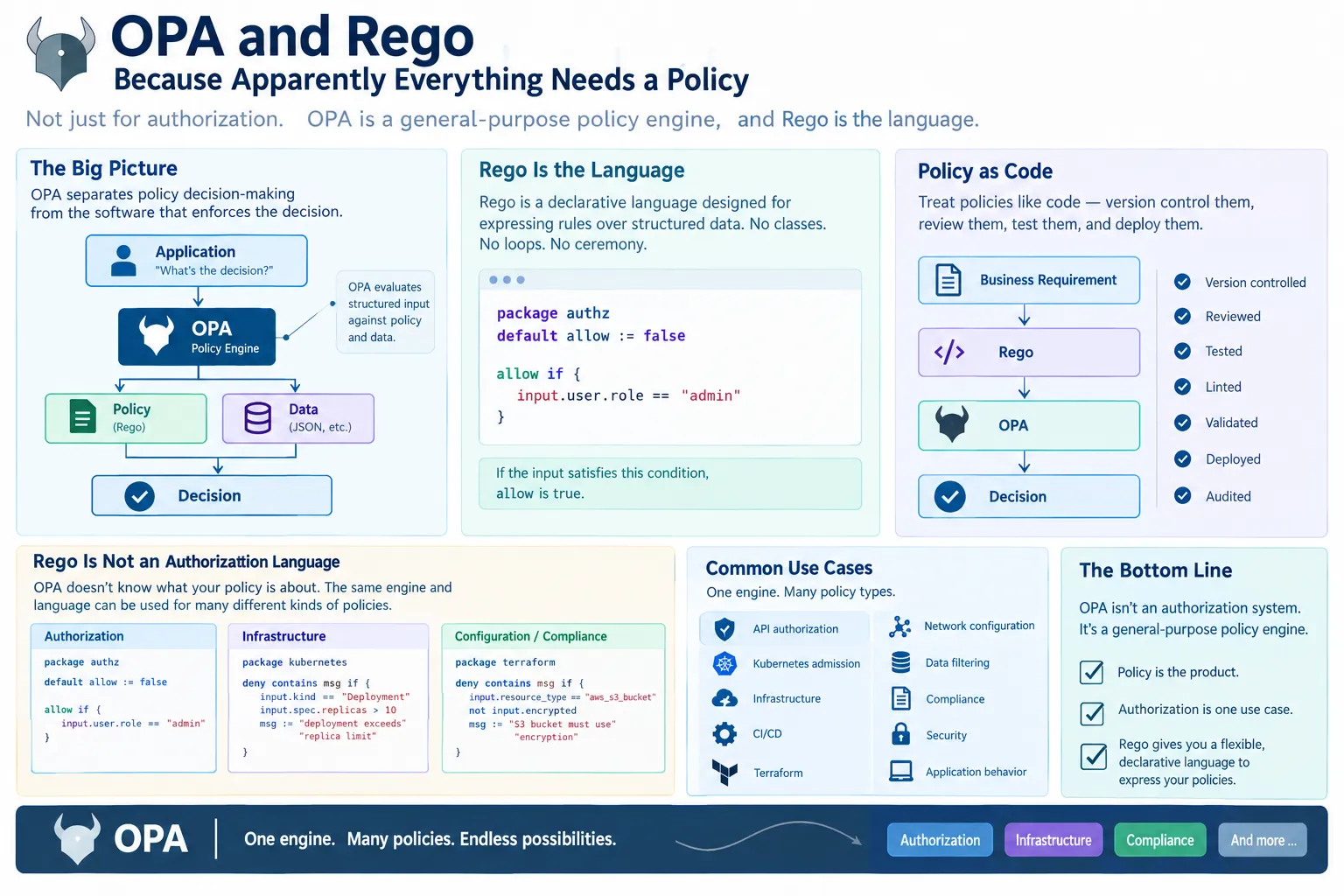
Read article: OPA and Rego — Because Apparently Everything Needs a PolicyIn my previous article, I talked about ALFA and why nobody particularly wants to write XACML by hand.
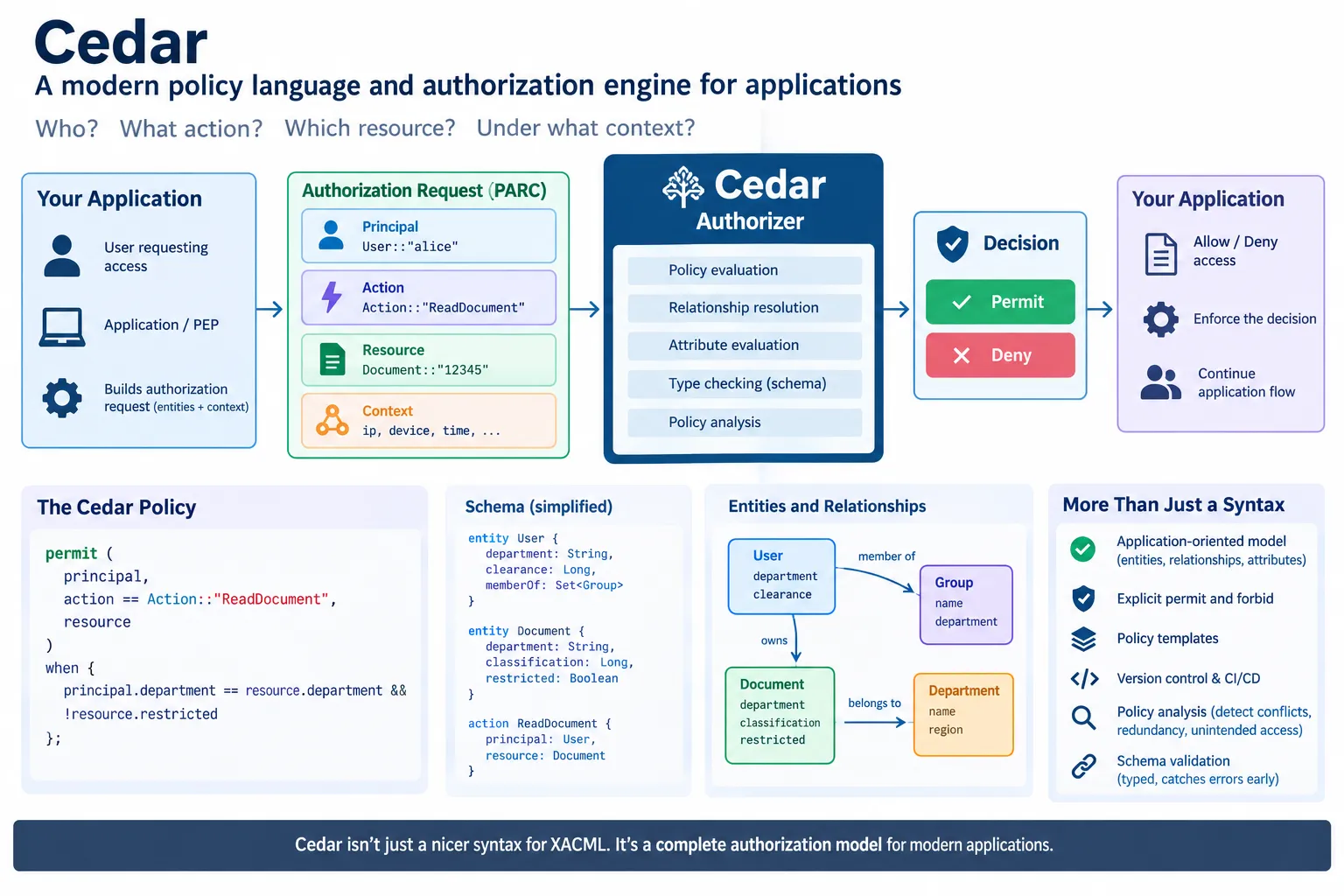
Read article: Cedar: Authorization, Without the XML HangoverIn my previous article, I talked about XACML and why authorization gets considerably more complicated than:
Read article: ALFA — Because Nobody Wants to Write XACML by HandThere are many Identity Providers out there. They each have their strengths and weaknesses. That is mainly a side effect of their targeted use cases. In some cases, the implementations predate the relevant specs being finalized.
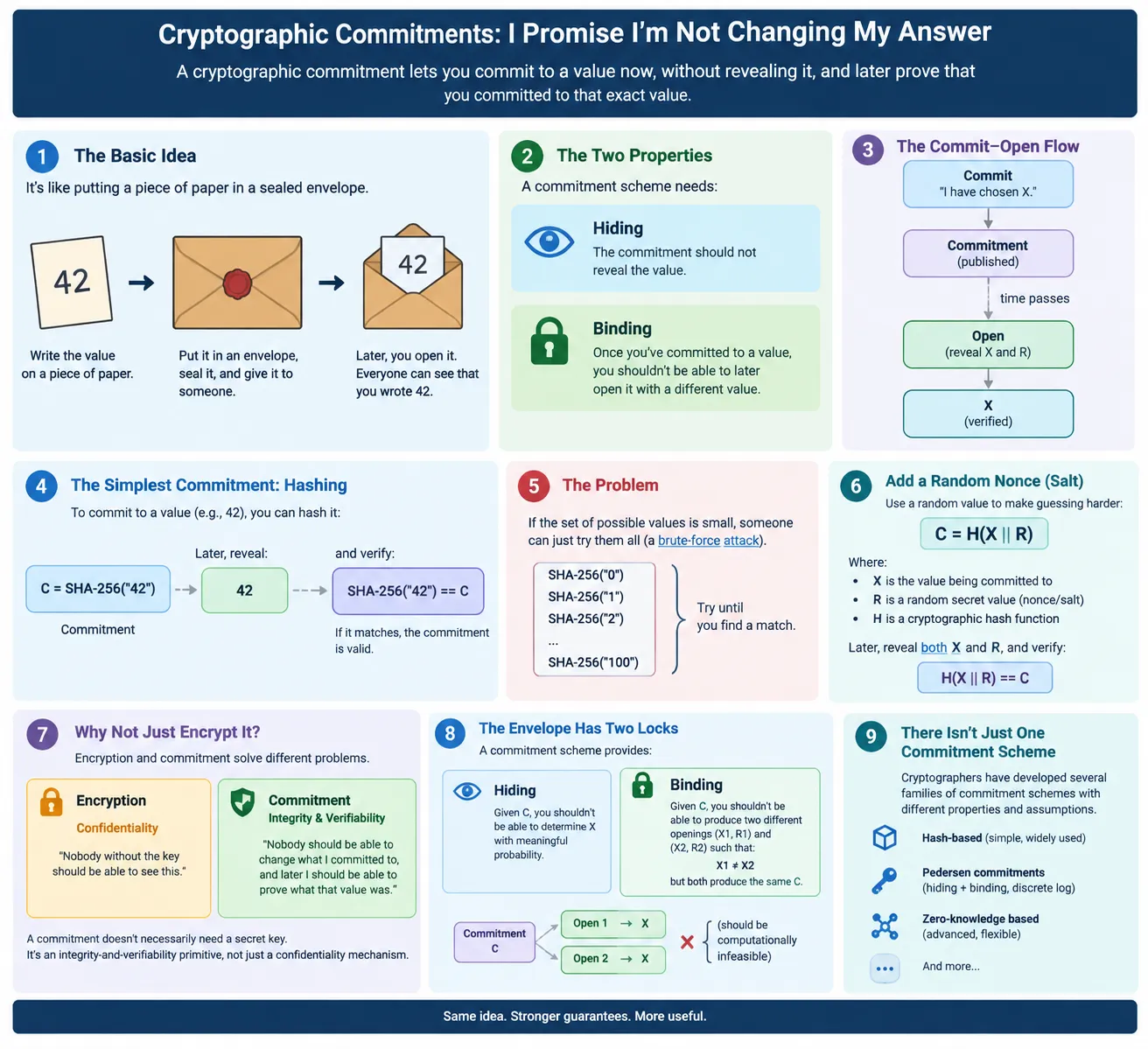
Read article: OAuth2 / OIDC Identity Providers: High-Level ComparisonThere are a few cryptographic primitives that sound considerably more complicated than they actually are.
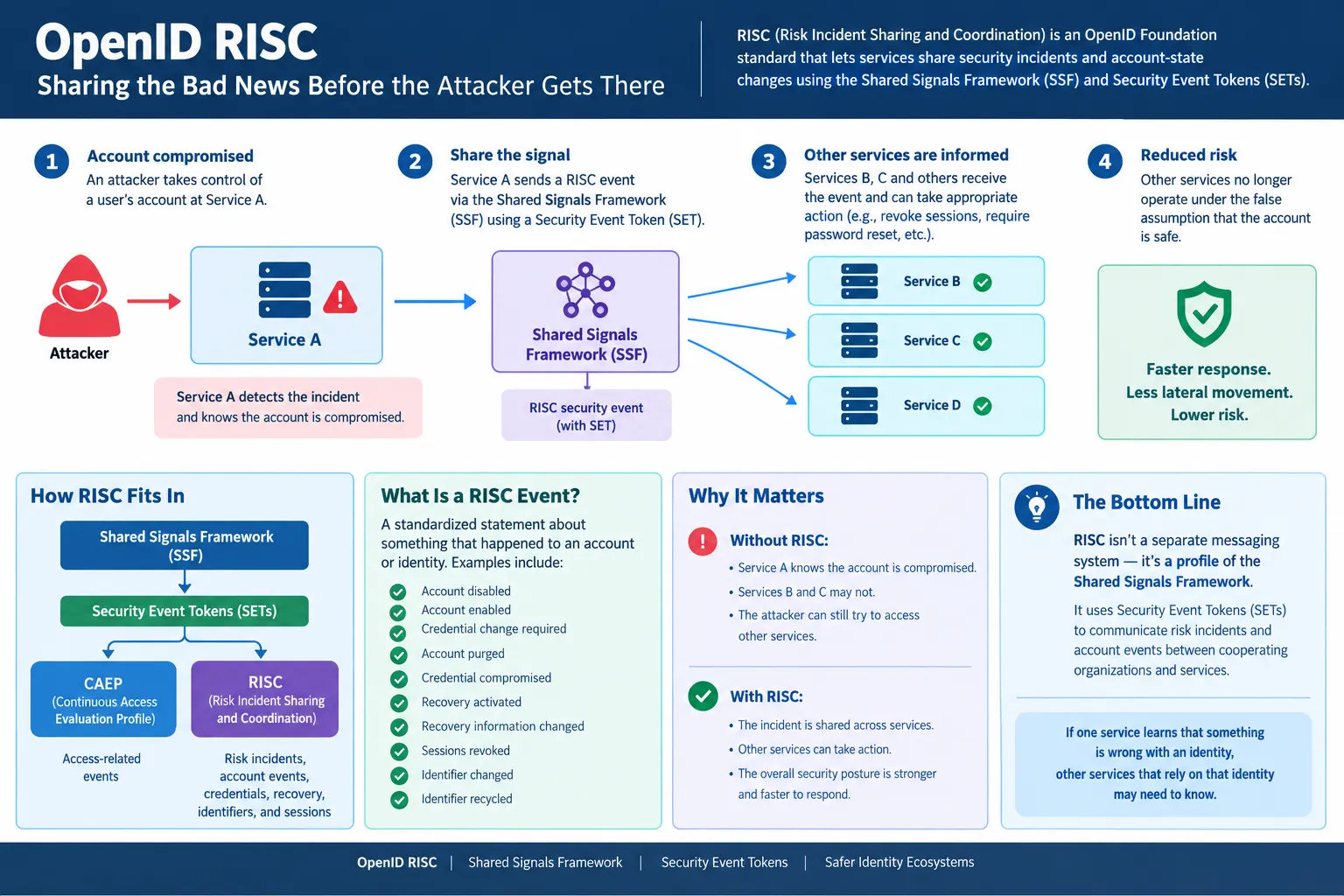
Read article: Cryptographic Commitments: I Promise I’m Not Changing My AnswerIn modern identity systems, a compromise at one service can become a compromise at another service.
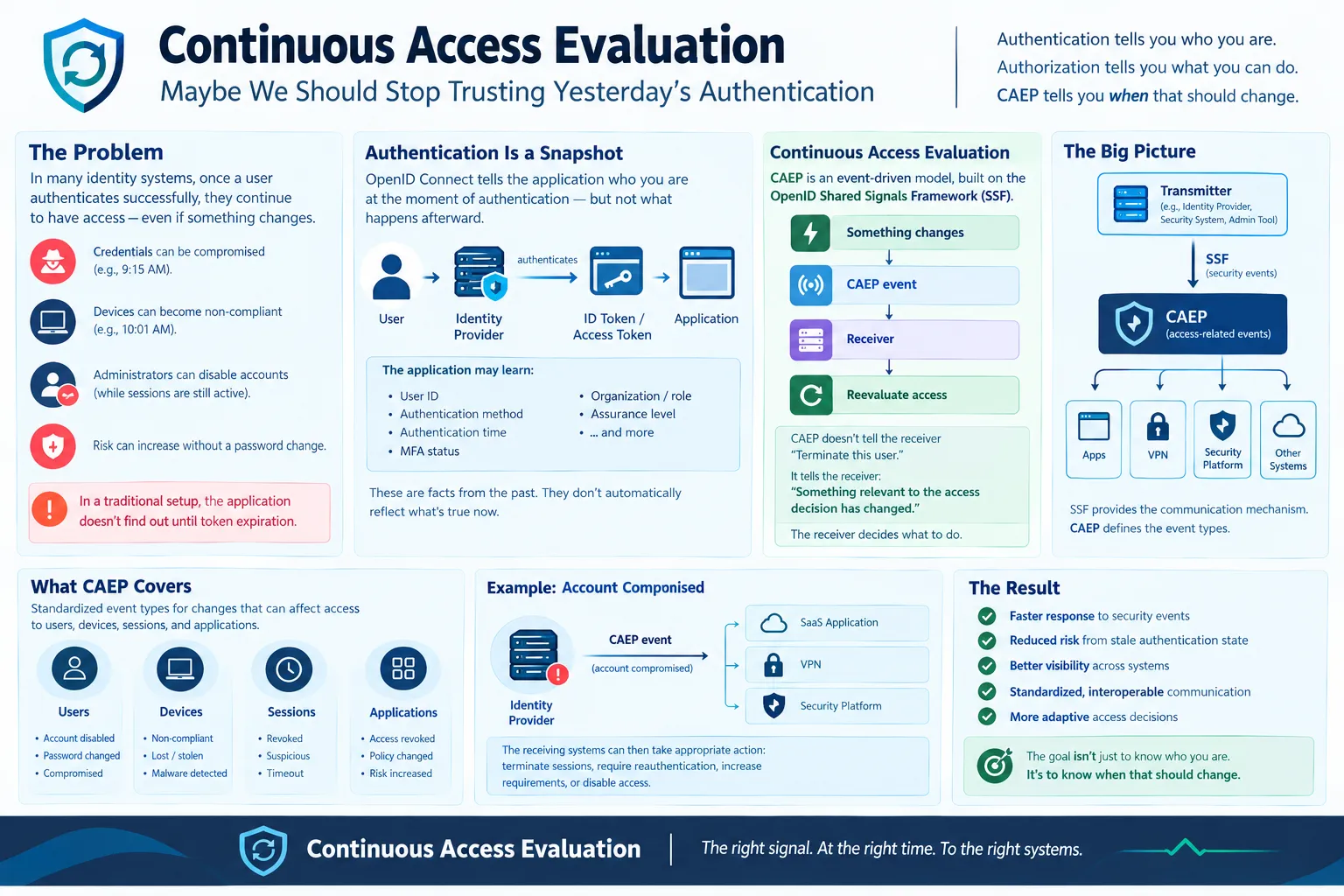
Read article: OpenID RISC: Sharing the Bad News Before the Attacker Gets ThereThere is a basic assumption hiding inside many identity architectures in that if someone authenticated successfully, they should continue to have access.
Read article: Continuous Access Evaluation: Maybe We Should Stop Trusting Yesterday’s Authentication