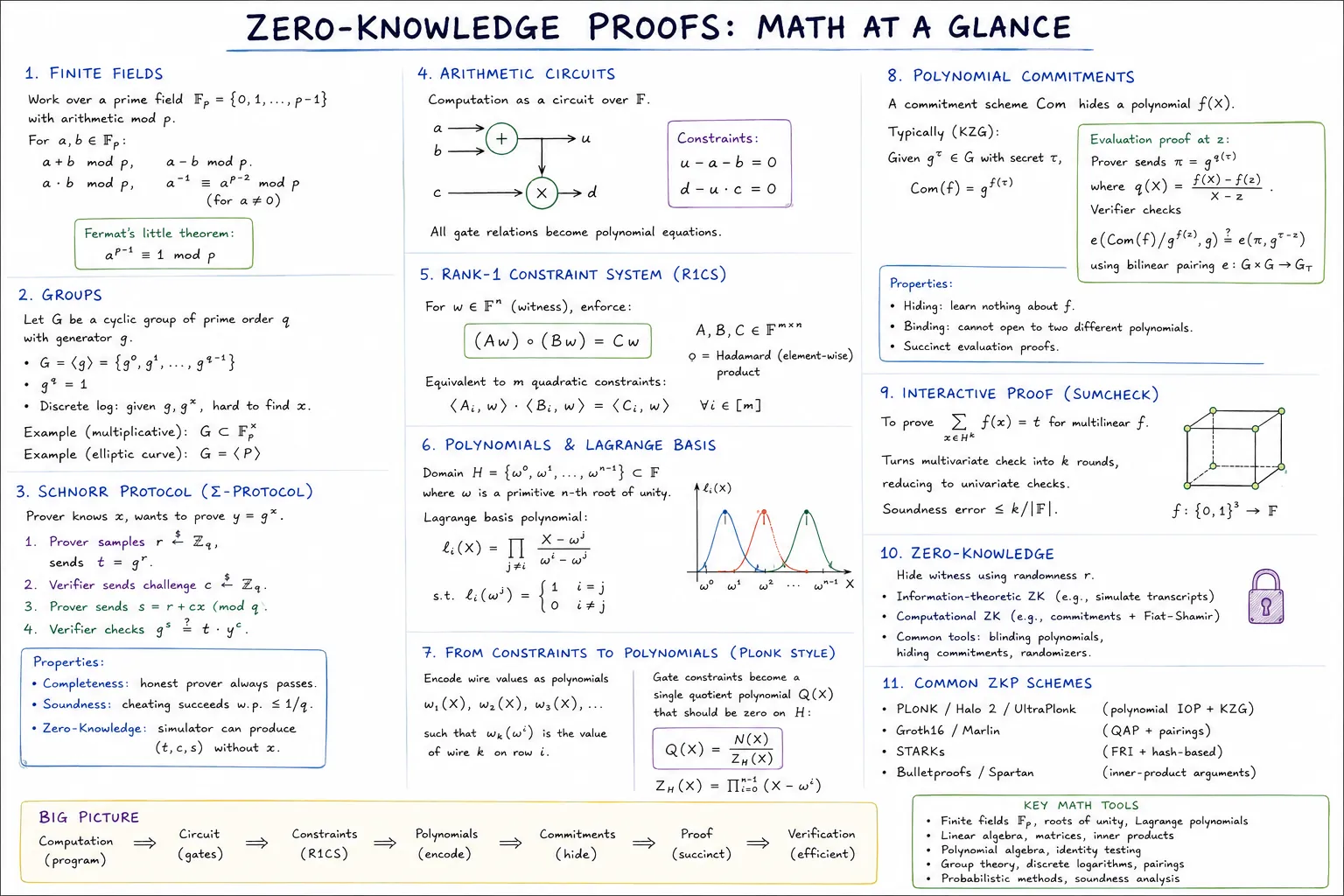
Zero-Knowledge Proofs: The Math
This is my second article about Zero-Knowledge Proofs (ZKPs). If you haven’t read it, check out Part 1 as a starting point.
Read article: Zero-Knowledge Proofs: The Math46 articles tagged Cryptography.
This is my second article about Zero-Knowledge Proofs (ZKPs). If you haven’t read it, check out Part 1 as a starting point.
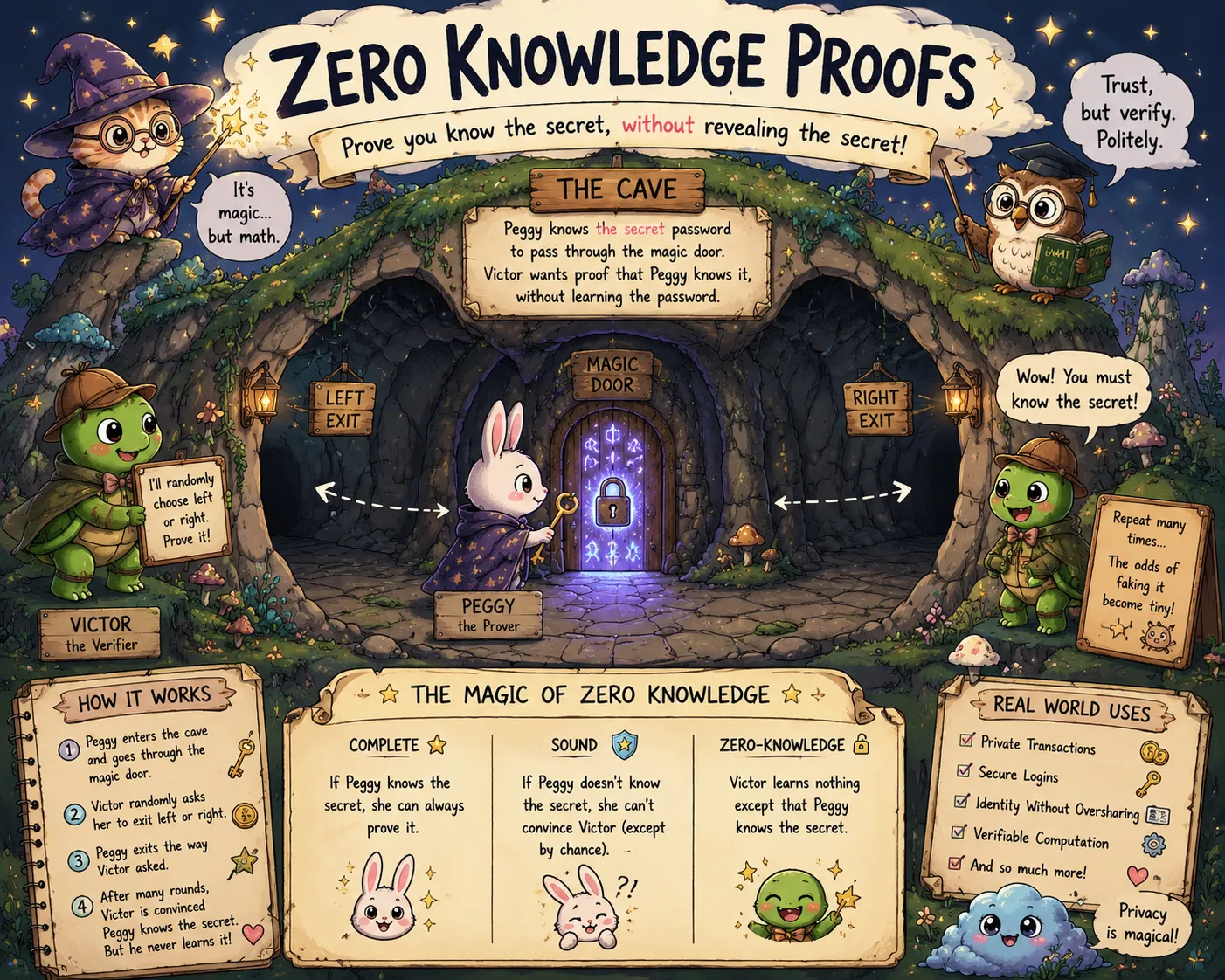
Read article: Zero-Knowledge Proofs: The MathModern computing systems are built around a strange tradeoff in that proving identity or trust usually requires revealing information. Passwords, account numbers, private keys, medical records, financial history — all of these are routinely exposed simply to verify a claim.
Read article: Zero-Knowledge Proofs: Proving Something Without Revealing AnythingThe following blog posts are part of a series I wrote on digital signatures.
Read article: Digital Signature SeriesThis post was originally published as “DSig Part 3: XML DSig vs. JSON Web Signtaure” on the Levvel Blog.
Read article: DSig Part 3: XML DSig vs. JSON Web SignatureThis post was originally published as “DSig Part 2: JSON Web Signature (JWS)” on the Levvel Blog.
Read article: DSig Part 2: JSON Web Signature (JWS)This post was originally published as “DSig Part 1: XML Digital Signature and WS-Security Integrity” on the Levvel Blog.
Read article: DSig Part 1: XML Digital Signature and WS-Security IntegrityThis tutorial describes how to convert a Binary Security Token extracted from a SOAP message into a valid PEM format that can be read by openssl or similar tool. If you are ever troubleshooting the use of X509v3 certificates used with WS-Security, this can come in very handy.
Read article: Convert an X509v3 Binary Security Token to PEM FormatThis post continues exploring the use of XML Digital Signature; this time we look at WS-Security Integrity (use of XML Digital Signatures with WS-Security). Our examples show a digital signature and a timestamp in a WS-Security <Security> SOAP Header.
Read article: WS-Security Integrity (XML Digital Signature)In the last post, we looked at the steps involved in generating a digital signature using the XML Digital Signature spec. The algorithm to produce a signature and validate it were explored but no examples were given. In this post, we’ll look at an example that is given in the XML Digital Signature…
Read article: XML Digital Signature (an Example)The XML DSig specification is used to provide digital signature functionality to XML Documents. It is is used by numerous other specs such as WS-Security and SAML2. This blog entry will describe how digital signatures work with an X509 private/public key pair.
Read article: XML Digital Signatures