The Tale of Thomas, Richard, and Karen — A Software Architecture Parable
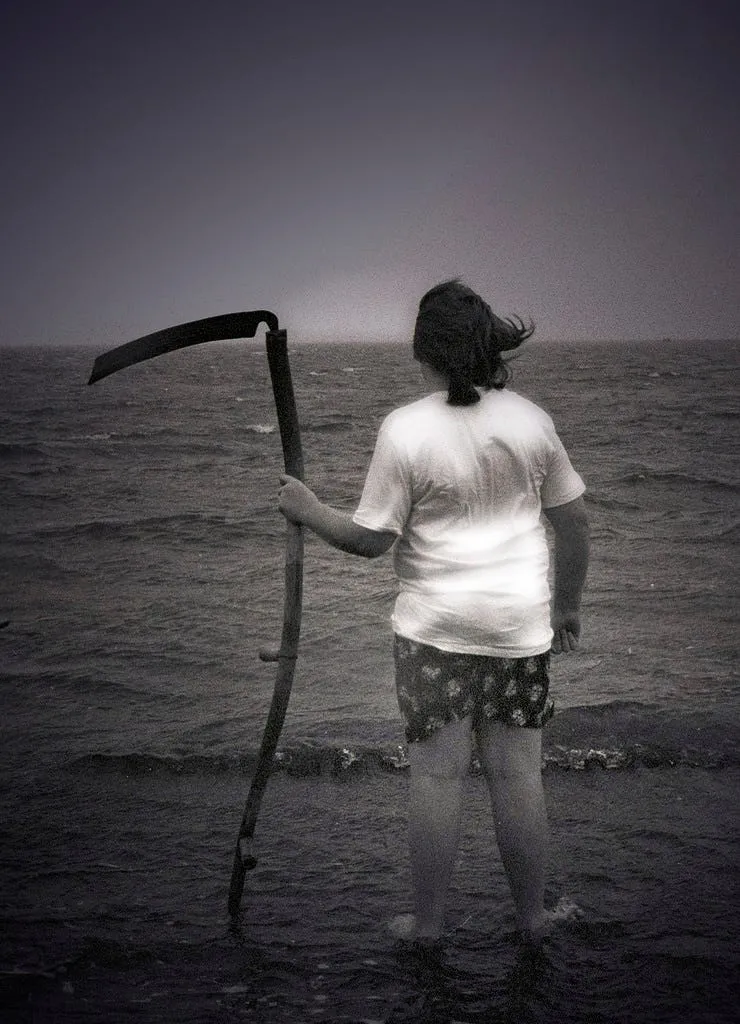
It so happened that one day, in a corporate IT department not unlike the one you are familiar with, three IT resources were preparing to design a software system. It doesn’t much matter what the system is or what it is supposed to do, for the results would be more-or-less the same. The assembled representatives of the application development teams, Thomas, the Application Developer, Richard, the ETL(Extract, Transform, Load) Engineer, and Karen, the Integration Architect, had come to ply their trades. The end result would be grand, unlike anything the world (or at least that hall) had seen yet.
Would it bring about a new era of human history? Would the participants reach a higher plane of existence? Is world peace upon us all? One Thousand years, hence, will there be yearly pilgrimages to this very spot to commemorate where it all began? Anything was possible, for the invoice system needed to have a new field added to it — or, maybe it was TPS reports. It didn’t really matter.
The business had spoken. The requirements had been gathered. The budgets allocated. The resources assigned. The project charter written. The project charter reviewed. The project charter approved. The project charter enshrined. It was time to begin. The tension was high. The smell of victory was in the air. No moment of the project will smell as sweet as this moment before there is a single concrete action item for the participants to perform.
But, how? How would the system function? What technology would be used? Is this an integration project? Will the developer be able to write thousands of extra lines of code that some other existing system can already perform? Will the ETL developer get to load new data? Or, will all exist in an eternal state of doldrum?
Thomas insisted that the only possible path forward is to write more code. Richard wants to do batch data loads. Karen is defining the functional specs for all the integrations that have been identified. And, so, it was, armageddon began once more, as all the cogs of the far flung nooks and crannies of the IT department restarted the age old debate of how applications should be designed.
The IT political war machine sprung to life— it was the most life anyone had seen since the last time it had “once more unto the breach”. Seven months, hence, the stalemate had not yet been broken. Three years behind schedule, $130 million USD over budget, nothing delivered to production. Quoth the project manager[1], “Who will break this impasse?” For no one knew. It seemed all was lost. Who would decide the project’s architecture?
Forward unto oblivion[2]. To oblivion and beyond[3]. For crying out loud. Break out the rotan cane.
Then, one day, upon the horizon appeared, an enterprise architect, Steve(Steve the Enterprise Architect, the hero of this story), endowed from upon high with the power, the power to be supreme, the power to be almighty[4], the power to tell everyone else on the project what to go do with themselves, make decisions, and force the project resources to actually go carry out those decisions. Maybe it wasn’t an Enterprise Architect? It doesn’t much matter. Few things actually do. Thy migraine ensues.
And, the project was completed. There was peace throughout the Information Technology land. The system went live in production. The invoices (or TPS reports, whatever) could be printed. Then, someone asked why couldn’t it be delivered through email, SMS text, or tweet?
Thus, ends the Tale of Thomas the Software Developer, Richard the ETL Engineer, and Karen the Integration Architect.
Names have been changed to protect the guilty. You know who you are.
This is a work of facetious sarcasm (with a strong hint of cynicism) meant to depict one important point in the management of enterprise Information Technology pulled from my daily existence. If you want sane solutions to problems, someone with the authority to make and enforce decisions who understands technology (and ideally the business) needs to actually be in charge of the project. More than that, the person making these decisions needs to be able to think independently of any one technology stack.
We will revisit the trials and tribulations of Tom, Dick, and Karen again in the future.
No IT personnel were harmed during the writing of this blog post.
Image: Entrance to Hell* / Ted Van Pelt
*Actual image title
- The Simpsons — Edger Allen Poe: The Raven — borrowed the line “Quoth the…”, which of course came from the earlier Edger Allen Poe work, “The Raven”. Nevermore.
- Halo 4: Forward Unto Dawn — slight play on the title of this movie.
- Toy Story — slight play on Buzz Lightyear’s catch phrase.
- The Masters of the Universe — a play on a line from the opening credits of this movie.
Originally published on Medium.